
What is the "Dirty Dozen?" Learn which fruits and veggies contain the most pesticide residues.
In 1995, the Environmental Working Group identified fruits and vegetables in the conventional, non-organic food supply that were most often contaminated with pesticide residues. Foods with the highest amounts of pesticides were nicknamed the “Dirty Dozen.”
EWG’s latest report issued in 2012 featured the following fruits and vegetables as the “Dirty Dozen Plus.” These are presented in descending order in terms of pesticide residue frequency (the uppermost food contains pesticide residues on the most frequent basis, and the next food down contains pesticide residues at the second highest frequency):
- Apples
- Celery
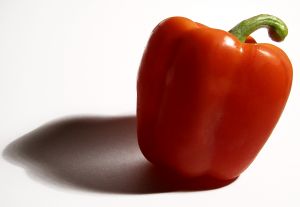
- Sweet bell peppers
- Peaches
- Strawberries
- Nectarines-imported
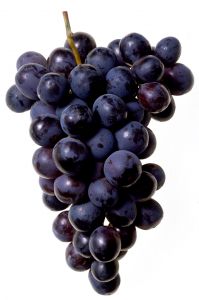
- Grapes
- Spinach
- Lettuce
- Cucumbers
- Blueberries-domestic
- Potatoes
The “Plus” in the “Dirty Dozen Plus” refers to a new category that the Environmental Working Group added to their report this year. It reflects two types of produce that didn’t meet the traditional Dirty Dozen criteria yet were of special concern. While they may not have been among the top 12 crops in which pesticide residues were found, these conventionally grown “Plus” crops were found to commonly be contaminated with organophosphate insecticides, which are considered to be highly toxic to the nervous system.
For the 2012 list, the “Plus” crops included:
Green beans and Leafy greens, such as kale and collard greens
If pesticides bother you learn more about joining a CSA or shop the farmers markets more often.

I love my life! I have a passion and a purpose to share my recipe for health and happiness with RDNs and others – maybe even more so now that I’ve officially retired. If you want to learn what I discovered through coaching 1000 people over 9000 hours check out my final post, “Live Like This Is Your Last Day. Someday It Will Be!”

“THANK YOU for sharing years of your energy with us (with ME). Several years ago, I attended a seminar you taught, and I got some great ideas so I subscribed to Abundant Mondays and I’m so very happy I did. You make a difference in my life even though we have never met. I continue on my journey to adjust and adapt to the changes life brings and to remain positive and a positive influence. With your help.” -KJ